
Proper off-season storage is a preservation process, not simply leaving the outboard unused until the next boating season. During extended inactivity, fuel can deteriorate, moisture can promote corrosion, lubricants can become contaminated, and trapped water can create serious problems in freezing conditions. Manufacturer procedures therefore focus on preparing the fuel system, lubrication system, cooling system, gearcase, corrosion protection, and storage environment before the engine is put away. Honda specifically directs owners to the storage section of the applicable owner’s manual for procedures including fuel treatment, fuel-system preparation, draining requirements, and recommissioning.
The exact winterization procedure varies by engine technology and model, so there is no universal checklist that should replace the manufacturer’s instructions. Mercury recommends following the owner’s manual for complete winterization and identifies fuel treatment, water drainage, oil and filter service, gearcase lubrication, and corrosion protection among important long-term-storage considerations. The correct objective is to leave the outboard in a condition where its internal and external systems are protected throughout the storage period and it can be recommissioned correctly when service resumes.
Start With the Manufacturer’s Storage Procedure
The owner’s manual should always be the primary reference before preparing an outboard for extended storage. Storage requirements can differ according to whether the engine is two-stroke, four-stroke, carbureted, electronically fuel-injected, direct-injected, or equipped with specific electronic and emissions systems.
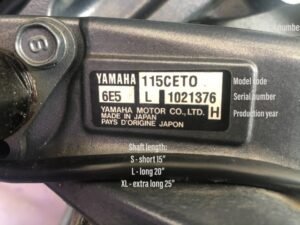
Honda explicitly states that its owner’s manuals contain model-specific storage procedures, while Mercury provides individual Operation, Maintenance & Installation Manuals based on engine serial number. This is important because a procedure appropriate for one engine should never automatically be transferred to another simply because both engines have similar horsepower.
Prepare the Fuel System
Fuel deterioration is one of the most important considerations during extended storage. Honda notes that gasoline can deteriorate and oxidize relatively quickly depending on fuel formulation and storage conditions, with heat, humidity, temperature variation, and partially filled tanks contributing to deterioration.
The correct treatment depends on the fuel system and the manufacturer’s storage procedure. Where the manufacturer specifies fuel stabilizer, it should be introduced according to the prescribed procedure and circulated through the engine as directed. Mercury’s current winterization guidance recommends treated fuel for long-term storage and specifies procedures intended to protect the fuel system from deterioration and deposits. Owners should never assume that simply adding stabilizer to the tank completes the entire storage procedure.
Change Engine Oil and Filter Where Required
For four-stroke outboards, completing scheduled engine-oil and filter service before extended storage can help prevent used oil and contaminants from remaining inside the engine throughout the inactive period. Mercury specifically identifies oil and filter replacement as part of its winterization recommendations.
The exact lubricant specification and service interval remain engine-specific. The correct oil grade, quantity, filter, and replacement procedure should come directly from the manufacturer’s documentation. If an engine’s scheduled service is due around the time of storage, combining the service with winterization can establish a clean maintenance point before the next operating season.
Protect the Gearcase
The gearcase should be inspected and serviced according to the manufacturer’s schedule before extended storage. Gear lubricant can reveal important information about the condition of the lower unit, particularly if water contamination is present. Mercury’s winterization guidance specifically recommends checking and replacing gearcase lubricant because water intrusion can create serious problems during storage and freezing conditions.
The propeller should also be inspected for impact damage, fishing line, corrosion, and abnormal wear. Where the manufacturer specifies propeller removal during service, the propeller shaft and associated components should be inspected and lubricated appropriately. Identifying damage before storage is preferable to discovering it when the boat is being prepared for launch.
Flush the Cooling System and Remove Water
The cooling system needs particular attention before storage. Saltwater and other contaminants should be removed through the manufacturer’s prescribed freshwater-flushing procedure, and the engine should be positioned appropriately so trapped water can drain.
This becomes especially important in freezing climates. Mercury warns that water trapped in an outboard can freeze and expand, potentially causing serious damage, and recommends keeping the motor in the appropriate position to allow water to drain. Older Mercury documentation likewise instructs owners to store the outboard vertically so water can drain and warns against storing a tilted engine in freezing temperatures.
Protect Against Corrosion
Long-term storage exposes an outboard to a different type of risk: prolonged contact with moisture and air without the regular use and flushing that normally remove contaminants. Corrosion protection should therefore cover the areas identified by the manufacturer, including appropriate exposed metal surfaces and internal engine components where the specified storage procedure calls for it.
Honda recommends cleaning and flushing the engine, repairing damaged paint, applying corrosion inhibitor to appropriate areas, and maintaining lubrication as part of its saltwater-storage guidance. It specifically cautions against applying corrosion inhibitor to components such as anodes, belts, and certain electrical components. The lesson is important: corrosion products should be applied selectively according to the engine’s instructions rather than sprayed indiscriminately across the powerhead.
Fogging and Internal Engine Protection
Some outboards require an internal corrosion-protection procedure during long-term storage. Depending on the engine, this can involve fogging oil or another manufacturer-approved preservation method. Mercury offers storage fogging products specifically designed to create a protective barrier on internal metal surfaces and states that the owner’s manual should be followed for application.
However, fogging is not a universal procedure for every modern outboard. Engine design and fuel-injection architecture can change the appropriate storage process, so owners should not introduce oil or storage products into an engine unless the manufacturer specifies the method. This is another area where model-specific documentation takes precedence over generic winterization advice.
Battery and Electrical System
The battery should be prepared according to its manufacturer’s requirements and the outboard’s electrical system specifications. Extended storage can discharge batteries, while poor connections and moisture can contribute to corrosion at terminals and electrical interfaces.
Battery maintenance during storage should therefore include appropriate charging or storage procedures for the battery type, clean connections, and protection from unsuitable environmental conditions. Modern outboards can have sophisticated electronic systems, so maintaining the electrical system correctly is particularly important before recommissioning.
Store the Outboard in the Correct Environment
The storage environment matters almost as much as the mechanical preparation. Honda recommends storing an outboard away from direct sunlight and protecting it appropriately where exposure cannot be avoided. Excessive moisture, condensation, ultraviolet exposure, dirt, and poor ventilation can all contribute to deterioration during prolonged storage.
A cover should protect the engine while allowing appropriate ventilation and avoiding the creation of a moisture trap. For portable engines, transport and storage orientation must also follow the manufacturer’s instructions. Mercury warns that some portable outboards can suffer oil migration or engine damage if transported on the incorrect side.
Freezing Weather Requires Additional Care
Cold-weather storage introduces a specific risk because trapped water can expand when it freezes. This is particularly relevant to the cooling passages and lower unit. Mercury specifically warns that tilting an outboard upward in freezing conditions can trap water in areas where it may freeze and cause damage.
Before winter storage in freezing climates, owners should therefore follow the manufacturer’s exact positioning, drainage, lubrication, and fuel-storage requirements. Climate matters: an engine stored in a warm environment may require a different preservation emphasis from one exposed to prolonged sub-zero temperatures.
Keep a Record of Winterization
Documenting the work completed before storage creates a useful maintenance history and simplifies recommissioning. Record the engine hours, date of storage, oil and filter service, gearcase service, fuel treatment, spark-plug or other scheduled work, battery condition, and any repairs or observations.
This is particularly valuable for commercial and high-value marine equipment where maintenance documentation supports asset management and future resale. It also prevents owners from relying on memory several months later when determining which services were completed before storage.
Recommissioning After Storage
Storage is not complete until the engine is correctly returned to service. Before the first launch, inspect the outboard for corrosion, leaks, damaged hoses, wiring, propeller condition, fluid levels, battery connections, and other abnormalities. Fuel should be assessed according to the storage procedure, and any preservation products used should be addressed according to the manufacturer’s recommissioning instructions.
Honda specifically provides storage and removal-from-storage guidance through its owner’s manuals, while Mercury’s maintenance resources direct owners to the engine’s manual for complete procedures. The first start should therefore be treated as a controlled recommissioning rather than simply turning the key after months of inactivity.
Professional Winterization
Basic maintenance may be appropriate for experienced owners when permitted by the manufacturer’s documentation, but professional winterization becomes particularly valuable for larger or technologically complex outboards. Mercury notes that authorised dealers have the parts, tools, and factory-trained technicians required for winterization and off-season storage preparation.
Professional service is especially appropriate where the storage procedure involves specialised diagnostics, electronic systems, fuel-injection procedures, internal preservation, or scheduled maintenance beyond the owner’s tools and experience. The objective is not simply to put the engine away; it is to preserve it correctly and return it to service without introducing avoidable risks.
Proper Storage Protects the Next Season
An outboard should enter long-term storage clean, serviced, protected, dry, and prepared according to its manufacturer’s specifications. Fuel should be managed correctly, lubricants serviced when required, cooling passages flushed and drained, corrosion protection applied appropriately, the gearcase inspected, and the engine stored in a suitable environment. Freezing conditions require particular attention to water drainage and engine positioning.
Good storage preparation reduces the likelihood of corrosion, fuel-system deterioration, frozen-water damage, battery problems, and unpleasant surprises at the beginning of the next boating season. The most important principle is consistency: use the exact manufacturer’s procedure, document what was completed, and recommission the engine just as carefully as it was stored.