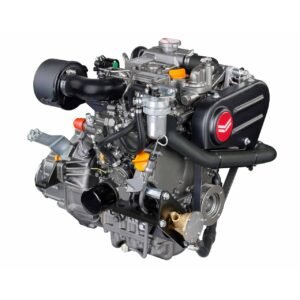
Buy YANMAR 2YM15 Saildrive Specifications Rated output10 kW / 14...
Read MoreYacht Inboard Engines
High-quality propulsion for motor yachts, cruisers and larger vessels where smooth power, range and refined performance matter.
Yacht Inboard Engines for Luxury Marine Performance
Yacht propulsion demands considerably more than simply achieving a particular horsepower figure. Engine weight, vibration characteristics, cruising efficiency, acceleration, available machinery space, acoustic comfort and long-distance reliability can all influence the experience and practicality of a yacht. The propulsion system must also work harmoniously with the vessel’s transmission, shaft or waterjet arrangement, electrical architecture and onboard control systems. We source yacht inboard engines across established marine manufacturers, covering propulsion requirements from smaller motor yachts and fast cruisers through large luxury yachts and high-performance vessels. Whether the project involves replacing an existing engine, specifying propulsion for a new yacht or sourcing a higher-output power package, customers can provide the vessel specifications and operating requirements and we can work toward a suitable engine configuration.
Propulsion Matched to the Yacht
A yacht’s engine is effectively the heart of its operating profile. A displacement yacht may prioritize efficient long-range cruising, while a planing motor yacht requires rapid acceleration and enough reserve power to bring the hull onto plane with the intended passenger and fuel load. Larger yachts introduce another level of engineering, where engine-room dimensions, power-to-weight ratio, sound attenuation, cooling capacity and redundancy become increasingly important.
This is why yacht propulsion should be specified around the complete vessel. Engine output, transmission reduction, propeller characteristics, shaft geometry, exhaust routing, cooling circuits and electronic controls must all correspond with the hull and its intended performance. On a new build, these decisions can be incorporated into the original naval architecture. For a repower, the existing machinery space and drivetrain establish important boundaries for what can realistically be installed.
Yanmar Yacht Engines
Yanmar occupies an important portion of the yacht market with compact diesel platforms that combine substantial output with relatively low installation weight. Its larger common-rail engines are particularly relevant to planing and semi-planing motor yachts, large yacht tenders and fast recreational vessels. The 6LF reaches 550 MHP, while the 6LT extends to 640 MHP and is specifically positioned for fast boats, planing and semi-planing hulls and motor yachts. The 8LV provides a V8 alternative from 320 to 370 MHP.
8LV Series
* 8LV320
* 8LV350
* 8LV370
6LY Series
* 6LY400
* 6LY440
6LF Series
* 6LF485
* 6LF530
* 6LF550
6LT Series
* 6LT500
* 6LT580
* 6LT640
The 6LF is particularly suited to planing and semi-planing motor yachts up to approximately 55 feet, while the 6LT extends the same compact common-rail philosophy toward higher-output yacht and fast-boat applications. Yanmar identifies both families as suitable for shaft-drive installations and provides compatible ZF gear configurations.
Volvo Penta Yacht Inboard Engines
Volvo Penta approaches yacht propulsion around integration as much as mechanical output. Its shaft-drive portfolio includes diesel families from the D4 through the D16 MH, allowing propulsion to scale considerably as vessel size increases. The current range includes D4 at 145–320 HP, D6 at 300–480 HP, D8 at 450–600 HP, D11 at 510–725 HP, D13 at 700–1,000 HP and D16 MH at 500–850 HP.
D4
* D4-145
* D4-175
* D4-230
* D4-270
* D4-300
* D4-320
D6
* D6-300
* D6-340
* D6-380
* D6-440
* D6-480
D8
* D8-450
* D8-500
* D8-550
* D8-600
D11
* D11-510
* D11-625
* D11-670
* D11-725
D13
* D13-700
* D13-800
* D13-900
* D13-1000
D13 IMO III
* D13 IMO III 700
* D13 IMO III 800
* D13 IMO III 900
* D13 IMO III 1000
D16 MH
* D16 MH 500
* D16 MH 600
* D16 MH 700
* D16 MH 800
* D16 MH 850
For yacht owners, the attraction extends beyond the engine’s rated output. Volvo Penta’s Electronic Vessel Control ecosystem can bring propulsion, steering, shifting, throttle and vessel information together, creating a more integrated operating environment on suitably equipped boats.
Cummins Yacht Propulsion
Cummins serves a different section of the yacht market, with diesel engines spanning smaller recreational propulsion through substantial high-output installations. Its marine portfolio is used in yachts and fishing vessels as well as professional applications, giving yacht builders access to engines with different displacement, rating and duty characteristics.
QSB Series
* QSB6.7
* QSB7
QSC Series
* QSC8.3
QSL Series
* QSL9
QSM Series
* QSM11
X Series
* X15
QSK Series
* QSK19
* QSK38
* QSK50
* QSK60
* QSK95
The appropriate Cummins platform depends heavily on the yacht’s displacement, desired cruising speed, number of engines and annual operating profile. A twin-engine cruising yacht and a high-performance vessel may both require diesel propulsion while having substantially different requirements for output, engine-room volume and drivetrain loading.
Caterpillar Yacht Engines
Caterpillar’s yacht propulsion offering becomes particularly relevant as vessel size and power requirements increase. The manufacturer supplies marine engines for high-performance and demanding recreational vessels alongside its extensive commercial portfolio, allowing larger yacht projects to draw from substantial diesel platforms.
C7.1
* C7.1
C9.3
* C9.3
C12
* C12
C18
* C18
C32
* C32
* C32B
3500 Series
* 3512C
* 3512E
* 3516C
* 3516E
* 3516E High Output
For larger yachts, Caterpillar’s appeal lies in the combination of substantial torque, established heavy-duty diesel architecture and extensive service infrastructure. The final selection should account for yacht displacement, expected cruising load, maximum engine rating permitted by the vessel and the physical requirements of the machinery space.
MAN Yacht Inboard Engines
MAN’s high-output diesel technology is relevant to yachts where substantial propulsion capability is required without compromising the engineering discipline of the complete installation. The manufacturer operates particularly strongly in the larger marine-engine segment, making its platforms suitable for larger motor yachts and professional vessels where power requirements move beyond conventional recreational diesel categories.
D2676
* D2676
D2868
* D2868
D2862
* D2862
D3872
* D3872
For a yacht installation, the engine rating is only one part of the specification. Engine dimensions, transmission arrangement, shaft line, cooling requirements, exhaust architecture and vibration isolation all become increasingly important as propulsion output rises.
mtu Yacht Engines
mtu is particularly prominent in luxury and high-performance yacht propulsion. Its yacht portfolio covers an extraordinary range, from approximately 966 bhp through more than 13,000 bhp, allowing the manufacturer to address everything from fast motor yachts to very large high-performance vessels. The current yacht portfolio identifies Series 2000, Series 4000, Series 1163 and Series 8000 propulsion families.
Series 2000
* 8V 2000 M72
* 8V 2000 M84
* 10V 2000 M72
* 10V 2000 M86
* 12V 2000 M72
* 12V 2000 M86
* 12V 2000 M96
* 12V 2000 M96L
* 12V 2000 M96X
* 12V 2000 M96Z
* 16V 2000 M72
* 16V 2000 M86
* 16V 2000 M96
* 16V 2000 M96L
mtu currently identifies the Series 2000 yacht range at approximately 966–2,600 bhp, with the new 12V 2000 M96Z producing 2,222 mhp and emphasizing increased power density and optimized installation space.
Series 4000
* 8V 4000 M63
* 12V 4000 M63
* 12V 4000 M65L
* 12V 4000 M73
* 12V 4000 M93
* 16V 4000 M63L
* 16V 4000 M65L
* 16V 4000 M73
* 16V 4000 M93
* 20V 4000 M65L
* 20V 4000 M73
* 20V 4000 M93
The Series 4000 provides yacht propulsion from approximately 1,000 through 5,780 bhp depending on configuration, placing it firmly in the large-yacht and high-performance propulsion segment.
Series 1163
* 12V 1163 M74
* 12V 1163 M84
* 12V 1163 M94
* 16V 1163 M74
* 16V 1163 M84
* 16V 1163 M94
* 20V 1163 M74
* 20V 1163 M84
* 20V 1163 M94
The Series 1163 occupies the extreme-performance portion of the yacht market, with mtu publishing approximately 6,437–9,923 bhp for the current marine range.
Series 8000
* 16V 8000 M71L
* 16V 8000 M91L
* 20V 8000 M71
* 20V 8000 M71L
* 20V 8000 M91L
The Series 8000 reaches approximately 9,762–13,410 bhp, making it appropriate for exceptional large-yacht and high-speed marine propulsion requirements rather than conventional recreational boating.
Yacht Repower Considerations
Replacing yacht propulsion requires a more careful evaluation than simply matching the horsepower of the original engine. Modern engines can differ significantly in dimensions, weight, fuel requirements, electronic architecture and exhaust arrangements even when their published output appears similar. A successful repower therefore begins with the existing installation: engine model, transmission, shaft coupling, mounting points, exhaust route, cooling connections and available clearance.
There is also an opportunity to improve the yacht’s overall operating profile during a repower. A newer engine may provide better fuel management, improved electronic monitoring, reduced emissions and more sophisticated vessel integration. However, any proposed change still needs to respect the hull’s approved power rating, drivetrain capacity and structural limitations.
Propulsion for Different Yacht Profiles
A compact motor yacht may benefit from a lightweight high-output diesel, particularly where the vessel relies on planing performance. Larger cruising yachts can place greater emphasis on smoothness, fuel economy and sustained cruising range, while superyachts introduce much larger propulsion loads and increasingly complex machinery arrangements. Fast yachts can also require engines with exceptional acceleration characteristics and high power density.
The right specification therefore starts with the yacht’s intended use. Vessel length, displacement, hull type, cruising speed, maximum speed, engine quantity, propulsion arrangement and operating range provide a much better basis for engine selection than horsepower alone. We can work with these details when the exact replacement engine has not yet been determined.
Yacht Inboard Engines for New Builds and Repowers
Our yacht propulsion sourcing covers new-build specifications, replacement engines, repower projects and higher-output upgrades across the manufacturers represented in our marine portfolio. Customers can approach us with an exact engine requirement or with the yacht information needed to develop the specification from the beginning.
For an existing yacht, provide the current engine and transmission details where available. For a new project, provide the vessel specifications, desired performance and preferred manufacturer. We can then work toward an engine configuration appropriate to the vessel’s propulsion architecture.
Source Yacht Propulsion
From compact motor-yacht diesels to extremely high-output mtu propulsion, we can assist with sourcing engines suited to a wide range of yacht applications. Share your yacht specifications, existing propulsion system, required horsepower or preferred engine brand, and we can help determine the appropriate propulsion route for your vessel.
Featured Products
YANMAR 3G Mechanical controls for powerboat models
YANMAR 3G Mechanical controls for powerboat models Specifications ControlsMechanical TypePanel...
Read More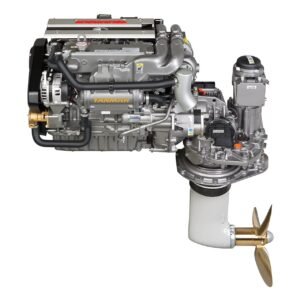
YANMAR SPP 4JH80 Steerable Propulsion Pod
YANMAR SPP 4JH80 Steerable Propulsion Pod Specifications TypeSaildrive, Control System...
Read More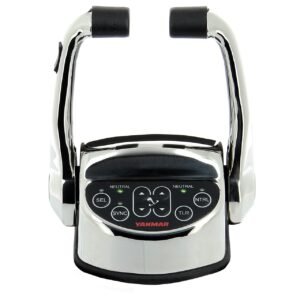
YANMAR VC10 Vessel Control System
YANMAR VC10 Vessel Control System Specifications TypeControl System YANMAR’s VC10...
Read MoreFeatured Pages
Quality Assurance
Quality Assurance Maintaining consistent quality standards through responsible sourcing, professional...
Read More
Tohatsu Mid-Range Outboards
Tohatsu Mid-Range Outboards From weekend escapes to demanding workdays, discover...
Read More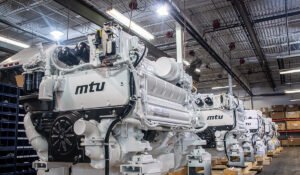
MTU Series 2000 Marine Engines
MTU Series 2000 Marine Engines High performance marine diesel engines...
Read MoreYanmar 3YM20 For Sale
Yanmar 3YM20 Diesel Engine Uncompromised engineering Explore Inventory 3YM20 Specifications...
Read MoreFeatured Blog Articles

5 Most Popular Bass Boat Brands
Fishing is one of the most popular activities in America....
Read More
Our Favorite Wakeboard Boat Brands
Whether inboard, outboard or jet propelled, wakeboard boats have surged...
Read More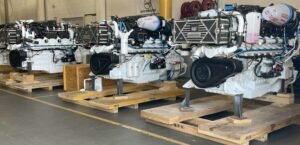
Marine Engine Horsepower, Torque and Displacement Explained
Horsepower, torque and displacement are three of the most important...
Read More
Petrol vs Diesel Outboard Motors: Key Differences Explained
Petrol and diesel outboard motors use fundamentally different combustion systems...
Read More