
Horsepower is one of the most important specifications when selecting an outboard, but the correct rating is determined by the boat and its intended use, not by horsepower alone. Hull design, displacement, transom rating, passenger and equipment load, desired cruising performance, water conditions, and the engine’s weight all influence the amount of power a vessel can use effectively. The starting point should always be the boat manufacturer’s capacity plate and technical specifications, which establish the maximum permitted horsepower and other important limitations.
Within the manufacturer’s approved range, the objective is to find an engine that provides sufficient power for normal operating conditions without unnecessarily increasing weight, fuel consumption, or mechanical load. A boat that regularly carries passengers, fishing equipment, fuel, or other cargo may require more power within its approved range to maintain satisfactory acceleration and cruising performance. Conversely, installing substantially more power than the application requires can add cost and weight without providing a proportional practical benefit.
Understanding Horsepower Ratings
An outboard’s horsepower rating represents its power output, but it does not by itself describe how the boat will perform. Two engines with similar horsepower can produce different operating characteristics because of differences in torque delivery, displacement, gearing, weight, engine speed, and overall design. The relationship between the engine and the hull therefore determines how effectively that horsepower is converted into acceleration, cruising performance, and usable thrust.
Horsepower should also be considered alongside the manufacturer’s recommended operating range. An engine needs to operate within its specified parameters under the expected load, and the correct propeller plays an important role in achieving this. The goal is a properly matched propulsion package in which the engine, propeller, hull, and load work together efficiently rather than simply selecting the highest available horsepower.
How Boat Size and Weight Affect Power Requirements
As vessel weight increases, more power is generally required to achieve satisfactory acceleration and maintain performance. The relevant figure is not simply the boat’s dry weight. Fuel, batteries, passengers, fishing equipment, safety equipment, water, accessories, and other onboard equipment can substantially increase the vessel’s operating weight. A realistic assessment should therefore consider the boat as it will actually be used rather than relying exclusively on an unloaded specification.
Hull design also makes a major difference. A lightweight planing hull may require a different power-to-weight relationship from a heavier displacement or semi-displacement vessel. The manufacturer’s recommended horsepower range accounts for the boat’s design characteristics and should take precedence over generic horsepower assumptions. The correct approach is to evaluate the complete vessel and its normal operating load before deciding where within the permitted range the engine should sit.
Maximum Horsepower Is Not Always the Best Horsepower
The maximum horsepower shown on a boat’s capacity plate represents the upper limit permitted by the manufacturer; it does not mean that the maximum rating is automatically the ideal choice. Some owners may benefit from the additional acceleration and reserve power available within that rating, particularly when carrying heavy loads or operating in challenging conditions. Others may have little practical need for the additional output and may place greater importance on lower purchase and operating costs.
The decision should therefore be based on the vessel’s actual duty cycle. A boat used for watersports or regularly operated with a full passenger load may benefit from greater power within its approved range, while a lightly loaded boat used primarily for relaxed cruising may have different priorities. Selecting the appropriate rating means balancing performance requirements with weight, fuel consumption, maintenance, and overall ownership costs.
Horsepower and Acceleration
Acceleration is one of the most noticeable effects of available engine power. Adequate horsepower allows a boat to reach planing speed more effectively and maintain useful performance as passenger and equipment loads increase. This can be particularly important for activities requiring rapid acceleration, such as watersports, or for vessels that regularly operate with significant loads.
However, acceleration also depends on propeller selection, gearing, hull design, trim, weight distribution, and the condition of the propulsion system. Increasing horsepower alone does not guarantee proportional acceleration gains. A correctly matched engine and propeller combination allows available power to be converted efficiently into thrust while keeping the engine within its recommended operating range.
Horsepower and Cruising Performance
For many boat owners, cruising performance is more important than maximum speed. The right engine should be capable of maintaining the desired cruising speed without being excessively loaded or operated inefficiently. Adequate power reserves can also help a vessel maintain performance when carrying additional passengers, encountering headwinds, or operating in rougher water.
Fuel consumption should be assessed at the speeds the boat will actually travel. An engine that is substantially larger than necessary may provide impressive maximum performance but could introduce additional weight and operating costs. Conversely, insufficient power can require greater throttle input to maintain speed under load. The objective is a balanced setup that provides the required cruising performance efficiently.
Horsepower, Propeller Selection and RPM
The propeller is the final connection between engine power and the water. Its pitch, diameter, blade configuration, and design influence how effectively the engine’s available horsepower is converted into thrust. A propeller with an unsuitable specification can prevent the engine from reaching its manufacturer-specified operating range or cause it to operate inefficiently under load.
This makes propeller selection an essential part of horsepower optimisation. After installation, the engine should be tested under appropriate conditions and with a representative load to confirm that it reaches the manufacturer’s specified RPM range. Tohatsu, for example, advises checking engine RPM with a tachometer and selecting a propeller based on factors including hull design, carrying load, and intended use.
Horsepower and Fuel Consumption
There is no universal fuel-consumption figure for a given horsepower rating because actual consumption depends on engine design, throttle position, boat weight, hull efficiency, propeller setup, sea conditions, and operating speed. A larger engine does not necessarily consume excessive fuel at all times, but its potential fuel demand and additional weight should be considered when comparing propulsion options.
Modern electronically controlled outboards can optimise fuel delivery according to operating conditions, improving efficiency and throttle response. For owners who cover significant distances, fuel economy can become a major part of total operating cost. Comparing engines based on realistic cruising conditions rather than maximum horsepower alone provides a more useful picture of long-term efficiency.
Horsepower for Different Applications
A recreational boat used for occasional cruising may have very different power requirements from an offshore fishing boat, commercial workboat, or watersports vessel. Fishing applications may prioritise efficient low-speed operation and sufficient reserve power for equipment and passengers, while watersports require strong acceleration. Offshore boats may need adequate power reserves to maintain performance when carrying substantial fuel, equipment, and passengers or when operating in changing conditions.
Commercial operators typically place additional emphasis on reliability, fuel economy, operating hours, serviceability, and downtime. The correct horsepower therefore depends heavily on the vessel’s duty cycle. Identifying the actual application before selecting the engine prevents buyers from choosing based solely on a specification that may not reflect how the vessel will be operated.
Single and Multiple Outboard Configurations
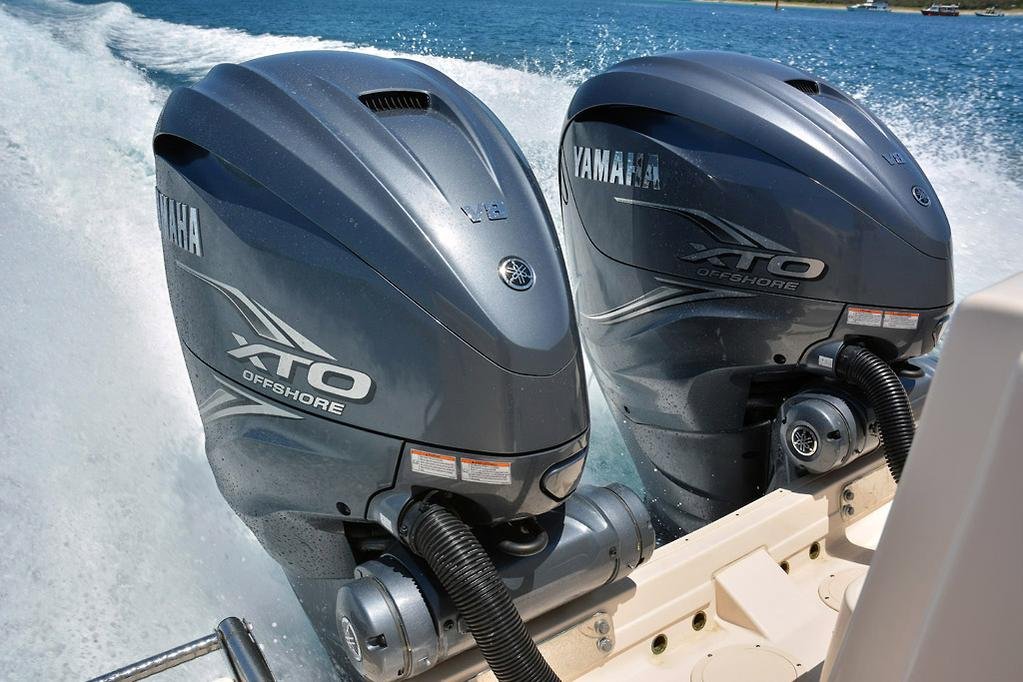
Larger vessels may use two or more outboards instead of a single high-output engine. Multiple-engine configurations can provide increased total power, additional redundancy, improved manoeuvrability, and greater flexibility depending on the vessel’s design. However, they also introduce additional weight, rigging, maintenance, fuel-system considerations, and purchase cost.
The total horsepower of a twin or multi-engine setup should always be evaluated within the boat manufacturer’s approved configuration. Engine spacing, transom capacity, steering, controls, propeller selection, and weight distribution all become important considerations. Multiple engines should therefore be treated as a complete propulsion package rather than simply adding individual horsepower ratings together.
Choosing the Right Horsepower
The correct horsepower is the result of matching the engine to the manufacturer’s boat rating, actual operating weight, hull design, intended application, and desired performance. Begin with the vessel’s documented limits, establish how the boat will normally be loaded, and then consider the acceleration, cruising speed, operating range, and conditions that matter most to you.
The strongest selection is not necessarily the most powerful engine available. It is the engine that provides appropriate performance while maintaining compatibility, efficiency, predictable handling, and long-term reliability. When horsepower, engine weight, propeller, controls, and hull design are properly matched, the result is a propulsion system that performs as intended rather than one chosen around a single number.