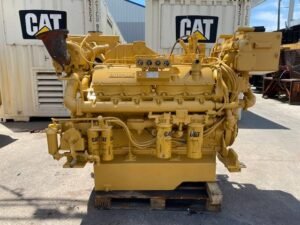

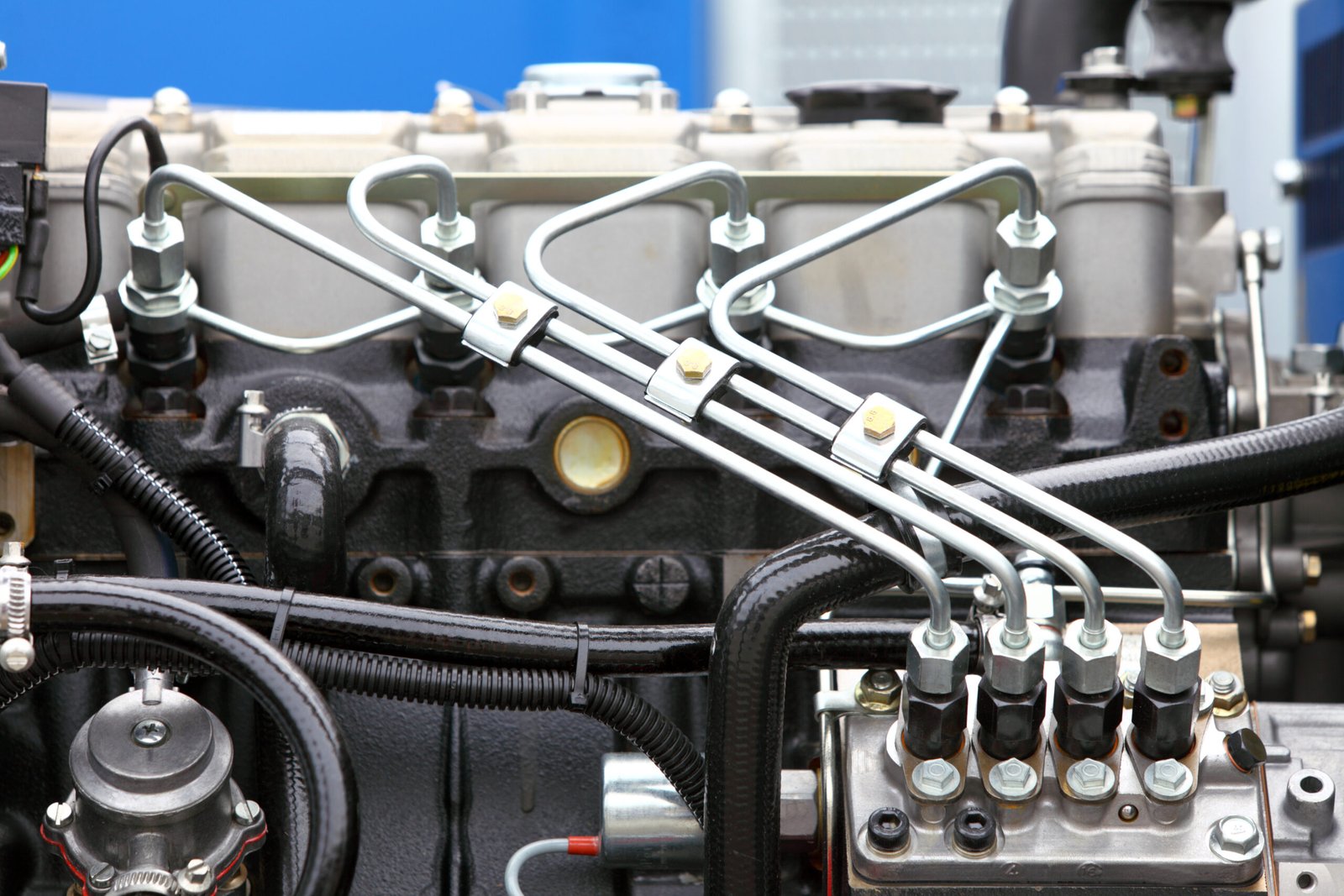
Marine diesel engines are engineered for demanding propulsion, but reliability depends heavily on maintaining the systems that support combustion, lubrication, cooling and fuel delivery. Preventive maintenance is not simply about replacing oil and filters; it is about keeping the engine within its designed operating condition throughout its service life. Yanmar states that periodic maintenance is important for maximizing performance and extending engine life, with maintenance schedules specified in each engine’s operation manual. Its recreational marine guidance identifies service intervals including 50, 250, 500 and 750 hours, although the exact requirements vary by engine.
Maintenance requirements also change according to engine model, duty rating, operating hours, environment and application. A recreational engine used occasionally cannot be maintained according to the same assumptions as a commercial propulsion engine operating thousands of hours annually. Caterpillar, for example, offers planned maintenance kits for applicable marine engines around defined service intervals, while Yanmar provides model-specific maintenance kits containing genuine parts for scheduled servicing.
Follow the Manufacturer’s Maintenance Schedule
The manufacturer’s operation manual should be the primary reference for every maintenance interval. It specifies the correct oil, filters, coolant, inspection points, adjustment procedures and replacement intervals for the particular engine.
There is no universal marine-diesel maintenance schedule that can safely be applied to every engine. Yanmar explicitly states that each engine’s operation manual contains its periodic-maintenance schedule and recommends authorized dealers for service, particularly where electronically controlled engines require specialized diagnostic equipment.
Engine Oil and Oil Filters
Engine oil is one of the most important routine-service items because it lubricates bearings, pistons, cylinder surfaces, valve-train components and turbocharger components while also carrying heat and contaminants away from internal parts. Oil gradually deteriorates through operating temperature, combustion by-products and contamination, making scheduled replacement essential.
The oil filter should normally be replaced with the oil according to the manufacturer’s specified interval. Caterpillar’s marine maintenance guidance, for example, recommends changing the oil and filters during storage preparation and emphasizes using the correct oil type, viscosity and quantity.
Fuel Filters and Water Separation
Fuel filtration is particularly important in marine diesel engines because modern injection systems can be sensitive to water and particulate contamination. Fuel filters remove contaminants before fuel reaches precision injection components, while water separators remove accumulated water from the fuel system.
Yanmar recommends draining water from fuel filters as part of long-term-storage preparation and advises keeping water out of the fuel system. Its marine FAQ also recommends keeping fuel tanks full to limit condensation and ensuring water is drained.
Cooling-System Inspection
The cooling system should be treated as two interconnected areas on an indirectly cooled marine diesel: the closed engine-coolant circuit and the seawater circuit. Coolant level and condition must be monitored while the seawater intake, strainer, pump, impeller, hoses, heat exchanger and discharge path require regular inspection.
A restriction in the seawater system can reduce heat transfer and cause overheating even when the engine itself is mechanically healthy. The exact inspection and replacement schedule should follow the engine manual because seawater-pump and cooling-system designs differ between models.
Seawater Pump and Impeller
The seawater pump is a critical component because it supplies the raw water used to remove heat from the engine and, depending on the design, other components such as the oil cooler and charge-air cooler. Many marine engines use a flexible rubber impeller that requires periodic inspection and replacement.
Yanmar specifically identifies the seawater-pump impeller as a maintenance item and warns that operating the pump without adequate water can damage the impeller. A deteriorated impeller can reduce cooling-water flow and potentially result in overheating, making its condition an important part of routine marine-engine service.
Heat Exchangers and Coolers
Heat exchangers and coolers must remain free from excessive fouling, scale and corrosion so that heat can transfer efficiently between the cooling circuits. The seawater side is particularly exposed to marine deposits and contamination.
If an engine begins operating at a higher temperature than normal, especially under load, the heat exchanger and seawater circuit should be considered alongside the thermostat, pump and coolant system. Cleaning procedures should be performed according to the manufacturer’s instructions because cooler construction and approved cleaning methods vary.
Belts, Hoses and Connections
Belts and hoses are relatively simple components, but their failure can disable a marine engine. Belts can deteriorate, loosen or become damaged, while cooling and fuel hoses can harden, crack, swell or leak over time.
During routine servicing, technicians should inspect belt condition and tension together with hose condition, clamps and visible connections. Yanmar’s long-term-storage procedures specifically instruct operators to check V-belt condition and tension before returning an engine to service.
Battery and Electrical System
A reliable starting system requires adequate battery capacity, clean connections and an appropriately maintained charging system. Battery condition becomes particularly important on vessels that remain unused for extended periods because batteries naturally lose charge while standing.
Yanmar recommends keeping batteries fully charged during long-term storage and charging them periodically to compensate for self-discharge. Connections should also be kept clean and secure, while electrical cables should be inspected for corrosion, damage and loose terminals.
Air Intake and Filters
Diesel engines require a consistent supply of clean air. Restricted intake systems can reduce engine performance and affect combustion, particularly on turbocharged engines where the air-management system is designed around specific airflow requirements.
Air filters and intake components should therefore be inspected according to the engine manufacturer’s service schedule. Any unusual increase in smoke, loss of power or change in turbocharger behaviour should prompt inspection of the complete intake and charge-air system rather than assuming the fuel system is responsible.
Turbocharger Inspection
Turbochargers operate at very high speed and temperature and depend on proper engine lubrication and clean intake and exhaust systems. Maintenance should include inspection for abnormal noise, oil leakage, intake restrictions and other signs of deterioration.
A loss of engine performance does not automatically indicate turbocharger failure. Restricted intake air, excessive exhaust back pressure, fuel-system problems, charge-air leaks and excessive propeller loading can create similar symptoms. Diagnosis should therefore evaluate the complete propulsion system.
Exhaust System
The exhaust system should be inspected for leaks, corrosion, damaged hoses, loose connections and abnormal temperatures. Wet-exhaust installations require particular attention because seawater and exhaust gases interact within the system.
The exhaust must also remain within the manufacturer’s permitted back-pressure limits. Modifying pipe diameter, routing, mufflers or aftertreatment equipment without checking the engine specifications can negatively affect engine performance.
Check for Fluid Leaks
Regular visual inspection can identify developing problems before they become major failures. Oil, coolant, fuel and seawater leaks should be investigated rather than simply cleaned away.
A small leak can indicate a deteriorating hose, seal, gasket, fitting or component. On a commercial vessel, identifying such conditions during routine inspection can prevent unexpected downtime during operation.
Monitor Engine Performance
Maintenance is not limited to scheduled component replacement. Changes in oil pressure, coolant temperature, exhaust temperature, RPM, fuel consumption, smoke, vibration and starting behaviour can provide valuable information about engine condition.
Yanmar’s electronically controlled engines can generate diagnostic trouble codes through engine sensors, allowing potential problems to be detected before they contribute to a larger failure. Operators should therefore treat unusual readings or alarms as maintenance information rather than simply clearing the warning and continuing operation.
Maintenance by Operating Hours
Marine engine maintenance should be organized around operating hours as well as calendar time. Different manufacturers specify different service intervals, and commercial engines can accumulate hours much faster than recreational engines.
Yanmar’s published guidance gives examples of scheduled intervals at 50, 250, 500 and 750 hours, while Caterpillar offers planned maintenance kits covering defined service cycles for applicable marine engines. The exact interval for any engine must come from its current manufacturer documentation.
Seasonal Maintenance
Seasonal maintenance becomes important when a vessel will remain inactive for an extended period. The objective is to protect the fuel, lubrication, cooling, intake, exhaust and electrical systems from deterioration during storage.
Yanmar states that its operation manuals contain seasonal-maintenance and winterization guidance and recommends authorized dealers for assistance. Preparation should be based on the actual storage environment and the exact engine model rather than a generic winterization checklist.
Long-Term Storage
Long-term storage requires more than simply switching the engine off. Yanmar’s current operation manual recommends specific measures including draining water from fuel filters, addressing fuel-tank condensation, protecting exposed components, sealing intake and exhaust openings and maintaining battery charge. It also distinguishes between draining seawater and retaining approved engine coolant in the closed cooling circuit.
The exact procedure varies considerably by engine. Another Yanmar commercial marine manual, for example, specifies different cooling-system preparation for cold climates and recommends loosening the V-belt, disconnecting the battery, protecting intake and exhaust openings and checking the seawater-pump impeller before returning the engine to service.
Restarting After Storage
An engine that has been stored for several months should not simply be started and immediately placed under load. The engine should first be returned to its normal operating configuration and checked for fluid levels, belts, battery condition, cooling-water flow, leaks and other storage-related issues.
Yanmar’s long-term-storage procedures include specific recommissioning checks such as installing a fully charged battery, checking the V-belt, inspecting the seawater-pump impeller and cranking the engine to distribute lubricating oil before operation. Some models require additional procedures, so the exact operation manual remains essential.
Genuine Parts and Service
Using parts that meet the engine manufacturer’s specifications is important because filters, belts, impellers, gaskets and other components are designed around the engine’s operating requirements. Yanmar states that its genuine parts are specifically designed for its marine engines and makes scheduled-maintenance kits available through its distributor and dealer network.
For electronically controlled engines, professional service can become particularly important because specialized diagnostic equipment may be required. Yanmar specifically recommends authorized dealers for electronically controlled-engine maintenance and notes that non-authorized service or non-genuine parts may affect warranty coverage.
Preventive Maintenance vs Reactive Repairs
Preventive maintenance is fundamentally about identifying deterioration before it becomes a propulsion failure. Replacing an oil filter, impeller, belt or hose during scheduled maintenance is generally far more manageable than dealing with an engine failure while offshore or during a commercial operation.
For high-hour vessels, planned maintenance also helps operators control downtime. Caterpillar’s planned-maintenance programme is explicitly designed around defined service intervals and maintaining engine uptime, demonstrating how scheduled service becomes part of commercial asset management rather than simply routine workshop work.
A Practical Marine Diesel Maintenance Checklist
System Key Maintenance Focus
Engine oil Level, condition, specification and replacement
Oil filter Scheduled replacement
Fuel system Filters, water separation and contamination
Cooling system Coolant, seawater flow and leaks
Seawater pump Impeller and pump condition
Heat exchanger Fouling, corrosion and flow
Air intake Filter and restriction
Turbocharger Lubrication, leaks and abnormal operation
Exhaust Leaks, corrosion and back pressure
Belts Condition and tension
Hoses Cracks, deterioration and connections
Battery Charge, terminals and condition
Electrical system Wiring, connections and charging
Diagnostics Alarms and fault codes
Storage Winterization and long-term protection
Final Perspective
Marine diesel maintenance is most effective when it is planned, manufacturer-specific and condition-aware. Oil and filters protect the lubrication system, fuel filtration protects the injection system, cooling maintenance protects the engine from excessive temperature, and inspection of belts, hoses, exhaust, intake and electrical systems helps identify developing problems before they become failures.
The manufacturer’s operation manual should always establish the final maintenance procedure and interval. Yanmar explicitly provides model-specific maintenance schedules and seasonal-storage guidance, while Caterpillar provides planned-maintenance programmes and kits for applicable marine engines.
For recreational owners and commercial operators alike, the principle remains the same: maintain the engine before it demands repair. A disciplined preventive-maintenance programme protects performance, reduces unexpected downtime and gives the marine diesel the best opportunity to deliver the reliability and service life for which it was engineered.