

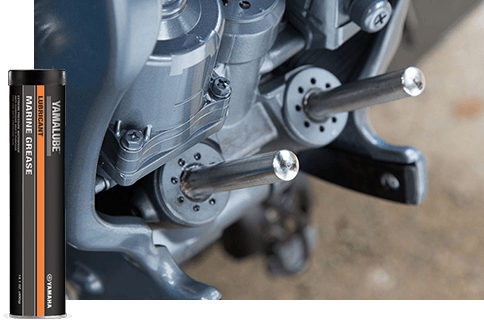
Trim and tilt are closely related but serve different functions in an outboard installation. Tilt primarily moves the engine through a larger range of motion, commonly to raise the lower unit out of the water for shallow-water operation, trailering, storage, or maintenance. Trim makes smaller adjustments to the engine’s running angle while the boat is underway, changing the relationship between the propeller’s thrust line and the hull. Mercury describes power trim as a system that allows the operator to adjust the engine angle to optimise boat performance and handling, while Yamaha identifies power trim and tilt as an important feature across its modern outboard range.
Correct trim can influence acceleration, cruising efficiency, steering behaviour, bow attitude, propeller grip, and the boat’s ability to maintain an efficient running position. Too much negative trim can push the bow down and increase wetted surface, while excessive positive trim can raise the bow too far, reduce propeller grip, or cause ventilation. The correct setting changes with boat design, speed, load, sea conditions, and the specific outboard installation, so trim should be treated as an active part of boat operation rather than a fixed setting.
Trim vs Tilt
Trim is primarily used while the boat is operating. Small adjustments alter the engine’s angle relative to the transom and allow the operator to establish an appropriate running attitude. Tilt provides a much greater range of movement and is generally used when the boat is stopped or operating in conditions where additional lower-unit clearance is required.
The distinction is important because raising an outboard completely out of the water is not the same as optimising its running angle. Trim should be adjusted progressively while observing boat response, while tilt should be used according to the manufacturer’s instructions and the requirements of the specific operating situation.
How Trim Changes Boat Performance
When the outboard is trimmed inward, the propeller’s thrust tends to push the bow downward. This can assist acceleration and help a boat transition onto plane. Once the vessel is planing, gradually trimming outward can reduce wetted surface and allow the hull to run more efficiently.
The optimum position is reached when the boat maintains a stable attitude without excessive bow rise, propeller ventilation, porpoising, or unnecessary drag. The exact position varies significantly between hull designs, which is why there is no universal trim angle that applies to every boat.
Positive and Negative Trim
Negative trim angles the lower unit closer toward the transom. It is commonly useful during acceleration and when additional bow-down attitude is required. Excessive negative trim, however, can force the bow too low, increase wetted resistance, and prevent the hull from operating efficiently.
Positive trim moves the lower unit farther away from the transom and generally raises the bow. As speed increases, controlled positive trim can reduce hull resistance and improve efficiency. Excessive positive trim can cause the propeller to lose clean water, create ventilation, increase bow rise, or produce unstable handling. The correct point is therefore a balance rather than maximum positive or negative trim.
Trim and Fuel Efficiency
Proper trim can reduce unnecessary hull resistance by allowing a planing boat to operate at an efficient running attitude. When the hull is carrying excessive wetted surface, the engine may need to produce more thrust to maintain the same speed. Correcting the running angle can reduce that resistance and improve the efficiency of the propulsion system.
However, trim should not be used as a substitute for correct engine selection, propeller matching, or proper loading. Fuel efficiency results from the interaction of the engine, propeller, hull, weight, speed, and running attitude. Mercury’s Active Trim system, available on compatible applications, is designed to automatically adjust trim according to changes in operating conditions and engine speed.
Trim During Acceleration
Acceleration generally benefits from an appropriate bow-down attitude. Starting with the engine trimmed in can help the hull transition onto plane more effectively, particularly when the vessel is heavily loaded or carrying passengers toward the stern.
As the boat accelerates and reaches planing speed, the operator can progressively trim outward until the vessel reaches a stable and efficient running attitude. Making large trim adjustments abruptly is unnecessary; small, controlled adjustments provide better feedback and allow the operator to recognise changes in handling, speed, and propeller behaviour.
Trim at Cruising Speed
Cruising trim is about maintaining an efficient running attitude rather than achieving the maximum possible bow height. Once on plane, the operator can gradually adjust trim while observing engine RPM, boat speed, steering response, hull attitude, and propeller grip.
The most effective setting is usually the point at which the boat runs cleanly and efficiently without excessive porpoising or ventilation. If trimming outward produces little additional speed while engine RPM increases disproportionately, or if the propeller begins losing grip, the engine may have been trimmed beyond the useful operating position.
Trim in Rough Water
Rough-water operation requires a different approach from calm-water cruising. In certain conditions, trimming the engine inward can help maintain better control and keep the bow positioned appropriately when encountering waves. The correct position depends on hull design, wave direction, speed, and severity of conditions.
The priority should always be predictable handling and maintaining appropriate control rather than pursuing maximum efficiency. Trim is an adjustment tool, not a substitute for reducing speed when conditions require it.
Trim, Propeller Grip and Ventilation
The engine’s trim angle directly affects the depth and flow of water reaching the propeller. Excessive positive trim can raise the propeller toward the surface and cause ventilation, where air is drawn into the propeller’s operating area. This can produce a sudden increase in engine RPM without a corresponding increase in boat speed.
If ventilation occurs, reducing trim can restore the propeller’s grip. However, recurring ventilation can also indicate other issues, including incorrect engine mounting height, an unsuitable propeller, excessive load distribution, or operating conditions that exceed the setup’s intended characteristics. Persistent problems should therefore be investigated rather than corrected solely by repeatedly changing trim.
Trim and Porpoising
Porpoising is a rhythmic oscillation in which the bow repeatedly rises and falls while the boat is on plane. Excessive positive trim can contribute to this behaviour on certain hulls. Reducing trim can often help bring the hull back into a more stable running attitude.
Persistent porpoising may also be influenced by hull design, weight distribution, engine mounting height, propeller selection, or other setup factors. If the problem remains after appropriate trim adjustment, the entire boat-and-engine configuration should be assessed rather than assuming the trim system itself is defective.
Power Trim & Tilt Systems
Modern power trim and tilt systems use hydraulic or electro-hydraulic components to move the outboard from the helm. Depending on the engine and boat, controls may be integrated into the throttle, steering system, digital controls, or remote switch arrangements.
Yamaha’s current outboard specifications include power trim and tilt across numerous models, while Mercury integrates power trim and tilt into many of its modern outboard configurations. The exact operating range, control system, maintenance requirements, and limitations are model-specific.
Tilt for Shallow Water and Storage
Tilt provides the clearance necessary for certain shallow-water situations, but it should be used carefully. Operating with the engine excessively tilted can alter cooling-water intake, propeller immersion, and engine operating characteristics. The manufacturer’s instructions should always determine the permissible operating position.
For trailering and storage, the outboard should be positioned and supported according to the manufacturer’s requirements. Mercury specifically provides dedicated instructions for trailering and transporting outboards, including precautions designed to prevent damage to the engine and transom.
Trim & Tilt Maintenance
The trim and tilt system should be included in regular inspections. Hydraulic fluid, seals, mounting points, electrical connections, switches, and moving components should be checked according to the manufacturer’s maintenance requirements. Any hydraulic leakage, abnormal movement, unusual noise, or failure to hold position should be investigated.
The system carries significant engine weight and operates under substantial mechanical loads. A trim-and-tilt problem is therefore not simply a convenience issue; a malfunction can affect the ability to position the engine correctly for operation, storage, or transport.
Using Trim Correctly
Effective trim operation comes down to making small adjustments based on boat behaviour. Begin from an appropriate position, accelerate onto plane, and progressively adjust the engine angle while monitoring speed, RPM, handling, bow attitude, and propeller grip. When conditions or loading change, the ideal trim position may change as well.
The objective is not to run with the engine as far in or out as possible. It is to find the position where the hull, engine, and propeller operate efficiently together while maintaining predictable handling. Used correctly, trim and tilt become powerful tools for improving performance, efficiency, and control without changing the fundamental propulsion system.