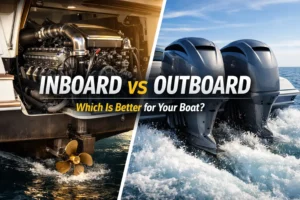
Marine Diesel vs Gasoline Engines: Which Is Better for Your Boat?
Choosing between a marine diesel and gasoline engine is ultimately a decision about how the boat will be used, how much power it needs, how many hours it will operate,…
Our Blog is a hub for boating enthusiasts, professionals, and first-time buyers alike. We share insights on outboards, boats, and marine equipment, along with maintenance tips, buying guides, shipping advice, and the latest industry updates. Whether you’re interested in fishing boats, yachts, or high-performance outboards, our blog provides reliable information to help you make informed decisions and enjoy the best of life on the water.
Choosing between a marine diesel and gasoline engine is ultimately a decision about how the boat will be used, how much power it needs, how many hours it will operate,…
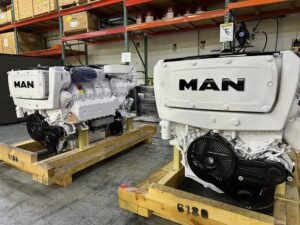
Marine diesel engines are internal-combustion powerplants designed to convert the chemical energy in diesel fuel into mechanical power for marine propulsion or onboard power generation. In a conventional four-stroke diesel,…
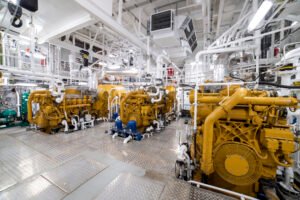
Marine inboard engines are propulsion engines installed inside the vessel, with power transferred through a transmission or gearbox to a propeller shaft, pod, waterjet or other propulsion system. Unlike an…
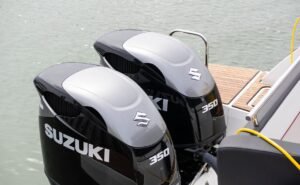
Buying an outboard motor should begin with boat compatibility, not simply horsepower or price. The engine must match the boat’s approved horsepower range, transom configuration, shaft length, weight capacity, intended…
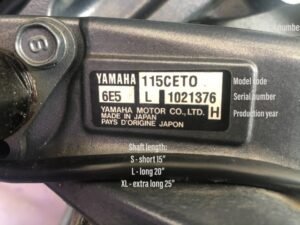
An outboard specification sheet contains the technical information needed to determine whether an engine is appropriate for a particular boat and application. The most important figures include rated horsepower, displacement,…
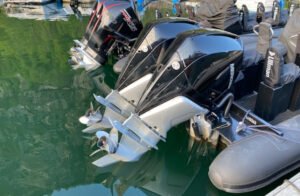
Choosing between a new and used outboard motor ultimately comes down to the balance between purchase cost, condition, reliability, warranty coverage, technology, service history and intended use. A new outboard…
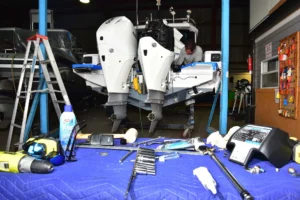
Repowering means replacing an existing outboard with a newer engine while keeping the boat. It becomes particularly relevant when an older motor has reached the end of its practical service…
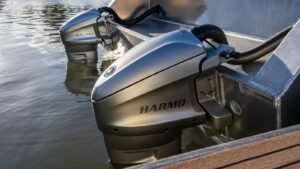
Electric outboard motors have developed from small auxiliary propulsion systems into a broader category covering portable motors, fishing applications, tenders, recreational boats and increasingly higher-powered marine propulsion. Unlike combustion outboards,…
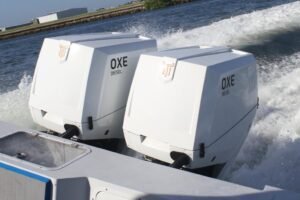
Petrol and diesel outboard motors use fundamentally different combustion systems and are suited to different operating requirements. Petrol outboards dominate recreational marine propulsion because of their broad availability, relatively low…

Choosing between a single and twin outboard installation is fundamentally a question of boat size, propulsion requirements, operating profile, redundancy, handling, weight, and total ownership cost. A single engine is…